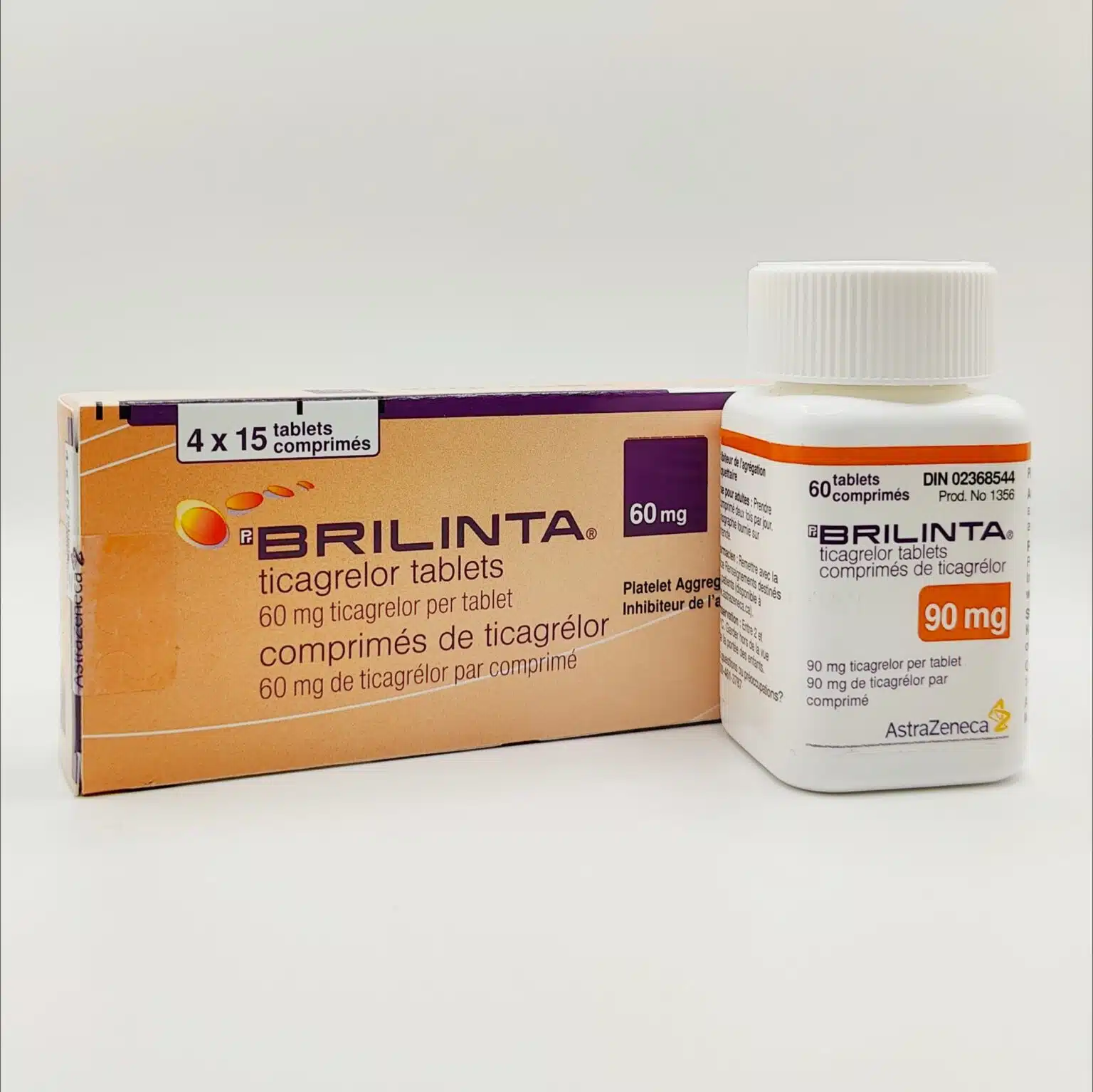
Brilinta (Ticagrelor) Tablets
Brilinta (ticagrelor) is a prescription medication designed to reduce the risk of heart attack and stroke in adults with acute coronary syndrome (ACS), a prior heart attack, or coronary artery disease (CAD) in the context of type 2 diabetes. As a platelet aggregation inhibitor, it helps prevent harmful blood clots, supporting long-term cardiovascular health.
Understanding Brilinta: Mechanism of Action
Brilinta contains ticagrelor, which works by selectively blocking the P2Y12 receptor on platelets. Platelets are blood cells critical to clot formation. By inhibiting platelet activation and aggregation, Brilinta reduces the risk of thrombus formation in the arteries, lowering the likelihood of heart attacks and strokes.
Brilinta is generally prescribed in combination with low-dose aspirin (typically 75–100 mg daily) to enhance antiplatelet activity, as recommended in clinical guidelines by organisations such as NICE and the European Medicines Agency (EMA).
Indications for Brilinta
Brilinta is primarily indicated for the following cardiovascular conditions:
- Reduction of myocardial infarction (heart attack) risk in patients with acute coronary syndrome (ACS), including ST-elevation and non-ST-elevation ACS.
- Prevention of stroke and other cardiovascular events in adults with a history of myocardial infarction and established CAD.
- High-risk patients with type 2 diabetes and coronary artery disease to reduce future cardiovascular complications.
Use is guided by careful risk–benefit assessment, particularly regarding bleeding risk.
Dosage Forms and Strengths
Brilinta is supplied in film-coated tablets:
- 60 mg tablets
- 90 mg tablets
Your healthcare provider will select the appropriate strength and regimen based on your clinical profile, concomitant medications, and cardiovascular risk.
Administration Guidelines
Brilinta is typically administered orally twice daily. Tablets should be swallowed whole with water, and can be taken with or without food. Do not crush, chew, or break the tablets, as this may alter absorption.
Missed Dose Instructions
If a dose is missed, take it as soon as possible. Do not double the next dose; continue the usual dosing schedule. Consistency in dosing helps maintain adequate platelet inhibition and reduces cardiovascular risk.
Long-Term Use Considerations
Brilinta is often prescribed for extended periods. Discontinuation without medical guidance may increase the risk of thrombotic events, particularly in patients with recent ACS.
Common Side Effects
Like other antiplatelet medications, Brilinta carries a risk of side effects, most of which are manageable:
- Dyspnea (shortness of breath)
- Headache or dizziness
- Easy bruising or minor bleeding
- Diarrhoea or gastrointestinal discomfort
- Nausea
Serious Adverse Effects
Seek immediate medical attention if you experience:
- Severe or uncontrolled bleeding
- Chest pain or angina
- Signs of allergic reactions, including rash, itching, or swelling
- Irregular, slow, or rapid heartbeat
These events may be life-threatening and require urgent evaluation.
Drug Interactions
Brilinta can interact with several types of medications, potentially increasing bleeding risk or reducing efficacy:
- Other anticoagulants (e.g., warfarin, rivaroxaban)
- Other antiplatelet agents (e.g., clopidogrel, prasugrel)
- Certain antibiotics and antifungal agents (e.g., clarithromycin, ketoconazole)
- Non-prescription drugs, vitamins, and herbal supplements that affect platelet function
Always inform your healthcare provider of all medications and supplements to minimise interactions.
Precautions Before Starting Brilinta
- History of bleeding disorders or gastrointestinal ulcers
- Active bleeding or recent intracranial haemorrhage
- Moderate to severe hepatic impairment
- Previous stroke or transient ischaemic attack (TIA)
- Recent surgery or trauma increasing bleeding risk
Patients with these conditions require careful assessment before initiation.
Pregnancy and Breastfeeding
The safety of Brilinta in pregnancy and breastfeeding has not been established. Women who are pregnant, planning pregnancy, or breastfeeding should discuss alternative therapies and risk mitigation with their clinician.
Storage Instructions
Store Brilinta at room temperature (20–25°C), protected from moisture and heat. Keep tablets in their original container, tightly sealed, and out of reach of children. Do not use if tablets appear damaged or discoloured.
Benefits of Brilinta
Brilinta offers several clinical advantages over traditional antiplatelet therapy:
- Rapid and consistent platelet inhibition
- Reduction in recurrent myocardial infarction and stroke events
- Improved cardiovascular outcomes when combined with low-dose aspirin
- Predictable pharmacokinetics without routine monitoring
Evidence from the PLATO trial and subsequent post-marketing studies supports Brilinta’s efficacy in diverse ACS populations.
Why Buy Brilinta Online?
Purchasing Brilinta online through licensed pharmacies such as LifePath Meds can offer cost savings, convenience, and access to long-term supplies. Always ensure the pharmacy is reputable to avoid counterfeit medications.
Safety Tips for Online Purchase
- Verify licensing: Confirm the pharmacy is regulated and authorised to dispense prescription medications.
- Consult your healthcare provider: Ensure online ordering aligns with your prescribed therapy.
- Understand import regulations: In many regions, a 90-day supply may be imported for personal use.
How to Use Brilinta Safely
Take Brilinta exactly as prescribed. Swallow tablets whole, twice daily. If a dose is missed, take it as soon as possible and continue with the regular schedule. Do not double doses. Continue therapy even if you feel well; the benefits are preventative and long-term.
Monitoring and Follow-Up
Unlike warfarin, Brilinta does not require routine INR monitoring. However, periodic review by a healthcare professional is essential to evaluate:
- Bleeding risk and any adverse events
- Renal and hepatic function
- Concomitant medications that may interact with therapy
Regular cardiovascular assessment ensures therapy remains appropriate and effective.
When to Seek Medical Help
- Severe or uncontrolled bleeding
- Sudden chest pain or shortness of breath
- Signs of stroke, such as sudden weakness or facial droop
- Allergic reactions, including rash or swelling
- Persistent or unusual bruising
Alternative Antiplatelet Medications
- Clopidogrel (Plavix) – Another P2Y12 inhibitor commonly used in post-ACS patients.
- Prasugrel (Efient) – Alternative for high-risk ACS patients undergoing PCI.
- Warfarin – Oral anticoagulant requiring monitoring, used in combination therapy in selected cases.
Therapy choice depends on individual risk factors, procedural context, and tolerance.