Protopic® Ointment (Tacrolimus) 0.03% and 0.1%
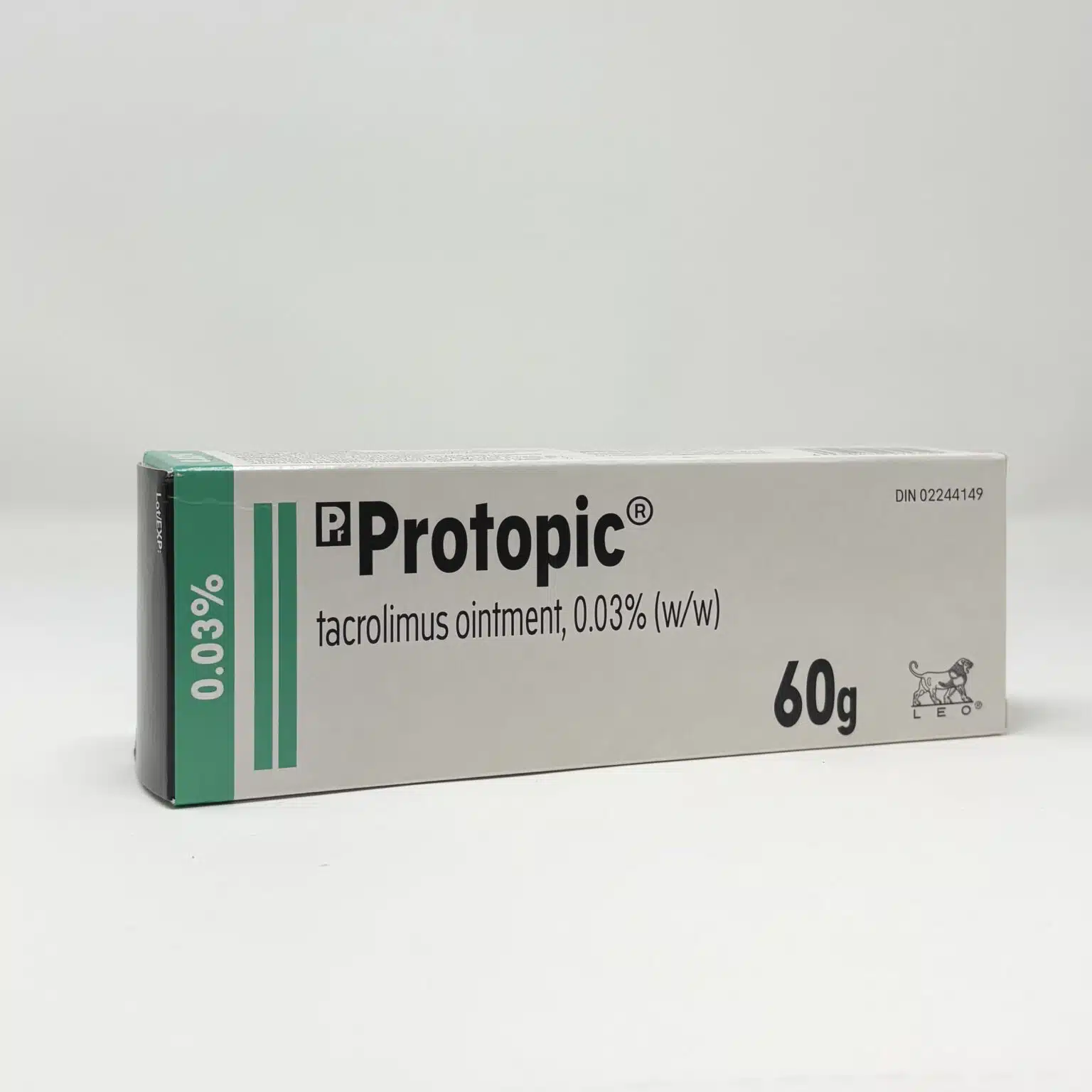
Protopic® Ointment (tacrolimus) is a topical calcineurin inhibitor indicated for the treatment and maintenance management of moderate to severe atopic dermatitis (eczema) in patients who are not adequately controlled with, or cannot tolerate, conventional therapies. Available in 0.03% and 0.1% strengths, Protopic offers a non-steroidal alternative for sensitive skin areas and long-term disease control.
What Is Protopic Ointment?
Protopic contains tacrolimus, an immunomodulating agent classified as a topical calcineurin inhibitor. It is licensed for use in individuals with moderate to severe atopic dermatitis who have not responded adequately to first-line treatments such as topical corticosteroids, or where such treatments are not advisable.
Two strengths are available:
- 0.03% ointment – approved for children aged 2–15 years and for adults.
- 0.1% ointment – approved for adults and adolescents aged 16 years and over.
Unlike topical steroids, Protopic does not cause skin thinning (atrophy), making it particularly suitable for delicate areas such as the face, eyelids, neck and skin folds.
Understanding Atopic Dermatitis (Eczema)
Atopic dermatitis is a chronic inflammatory skin condition characterised by itching, redness, dryness and recurrent flare-ups. It is associated with immune dysregulation and impaired skin barrier function.
Symptoms commonly include:
- Intense pruritus (itching)
- Erythema (redness)
- Dry, cracked or scaly skin
- Thickened skin in chronic cases (lichenification)
Management often follows a stepwise approach in line with guidance from organisations such as the National Institute for Health and Care Excellence (NICE), incorporating emollients, topical corticosteroids and, where appropriate, non-steroidal immunomodulators like tacrolimus.
How Protopic Works
Tacrolimus binds to an intracellular protein known as FKBP-12. This complex inhibits calcineurin, a key enzyme involved in activating T-lymphocytes. By suppressing T-cell activation, Protopic reduces the production of inflammatory cytokines responsible for eczema symptoms.
As a result, patients may experience:
- Reduced redness and inflammation
- Decreased itching
- Improved skin barrier recovery
- Fewer and less severe flare-ups
Because it does not contain corticosteroids, Protopic avoids steroid-associated adverse effects such as skin atrophy, telangiectasia and perioral dermatitis.
Indications and Clinical Use
Protopic is indicated for:
- Short-term and intermittent long-term treatment of moderate to severe atopic dermatitis.
- Maintenance therapy in patients experiencing frequent flare-ups.
- Treatment of sensitive areas where corticosteroids may be unsuitable.
It is generally reserved for patients who have failed to respond adequately to topical corticosteroids or in whom such treatments are contraindicated.
Dosage and Administration
Active Flare Treatment
- Apply a thin layer to affected areas twice daily.
- Continue until lesions clear or are substantially improved.
- Treatment is often effective within six weeks.
Maintenance Therapy
- For patients with recurrent disease, apply twice weekly (e.g., Monday and Thursday).
- Apply only to previously affected areas.
- Ensure at least 2–3 days between applications.
Application Guidance
- Apply to clean, dry skin.
- Use the smallest amount necessary to control symptoms.
- Do not cover with occlusive dressings.
- Wash hands after application unless treating the hands.
Common Side Effects
The most frequently reported adverse effects occur at the site of application and are typically mild and transient.
- Burning or stinging sensation
- Itching
- Redness or warmth
These reactions often decrease with continued use.
Rare but Serious Risks
- Skin infections (bacterial or viral)
- Rare reports of skin malignancy
- Rare reports of lymphoma
Although a causal relationship has not been definitively established, patients should use Protopic as directed and avoid excessive or prolonged continuous use unless advised by a healthcare professional.
Special Considerations
Pregnancy and Breastfeeding
Data on topical tacrolimus use during pregnancy are limited. It should be used only if the expected benefit outweighs potential risks. Tacrolimus is excreted in breast milk following systemic administration; therefore, breastfeeding mothers should consult a healthcare professional before use.
Contraindications
- Known hypersensitivity to tacrolimus or formulation components.
- Children under 2 years of age.
Sun Protection
Patients should minimise exposure to natural or artificial ultraviolet (UV) light, including tanning beds and phototherapy, during treatment.
Storage and Handling
- Store at room temperature (15°C–30°C).
- Keep the tube tightly closed.
- Protect from excessive heat and freezing.
- Keep out of sight and reach of children.
Alternatives to Protopic
Other treatments for eczema may include:
- Eucrisa® (crisaborole) – non-steroidal topical phosphodiesterase-4 inhibitor.
- Topical corticosteroids – effective but associated with long-term adverse effects.
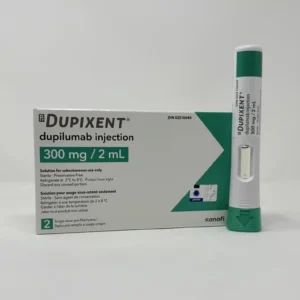
- Dupixent® (dupilumab) – injectable biologic for moderate to severe atopic dermatitis.
Treatment choice depends on disease severity, affected areas and individual tolerance.
Buying Protopic Ointment Online
Purchasing Protopic from LifePath Meds may offer cost savings compared to some retail pharmacy pricing. Patients should ensure they obtain medication through regulated and reputable pharmacies and supply a valid prescription where required.
Look for available promotional offers or first-time customer discounts to reduce treatment costs.